
What Can You Make?
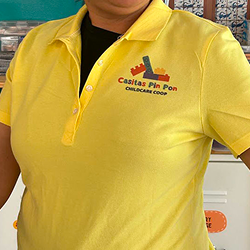
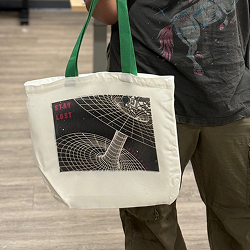
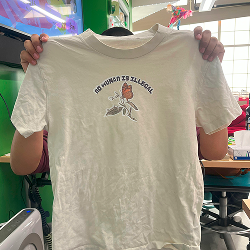
Dye-Sublimation is a technique that transfers designs onto materials using heat and special sublimation ink. The heat allows the ink to bond with the fibers of the material, creating durable, vibrant designs that won’t crack, peel, or fade over time. Sublimation works best on synthetic fabrics or materials, especially those that contain at least 65% polyester. Here are some projects that showcase just a few possibilities:
Where is this Equipment Available?
- Hadley Branch Library ideaLAB
- Montbello Branch Library ideaLAB
- Rodolfo “Corky” Gonzales Branch ideaLAB
How It Works
Prepare Your Design
Before printing, make sure your design is mirrored (flipped horizontally). Sublimation transfers are applied face-down, so mirroring ensures your image and text appear correctly once heat pressed onto the material.
Gather Materials
Sublimation works best on items made of at least 60% polyester or products that have a polyester coating. This process allows you to permanently transfer full-color designs onto a variety of blanks. Makers commonly sublimate onto items like t-shirts, mugs, and other specialty products.
Visit During Open Lab Hours
Use of the sublimation printer is first come, first serve. Visit any of the locations listed above during Open Lab hours. You may prepare your design before you arrive or during your visit.
Create!
- Staff will help you get started and prepare your file
- Bring your own materials to print and experiment on.
Approved and Available Materials
Please check with staff before printing to confirm your item is compatible with our sublimation equipment.
- Materials must be at least 60% polyester
- Polyester or poly-blend t-shirts (60% polyester or higher)
- Polyester tote bags
- Polyester-coated mugs
- Other approved polyester-coated blanks
Use and Policies
To ensure safe and fair access:
- Check in with ideaLAB staff before using the printer
- We will provide 1 sheet of sublimation paper per person per day
- Do not attempt to repair or disassemble printer hardware
Safety Waiver
Use of ideaLAB equipment requires agreement to Behavior Agreement and Advisement of Potential Risks Associated with Use of Tools at the Denver Public Library