
The Denver Public Library recommends these library resources to enhance your theater experience of Topdog/Underdog from Curious Theatre, showing this fall from August to September 2026.
Two brothers. One room. A lifetime they can’t outrun. A Pulitzer Prize–winning modern classic.
Topdog/Underdog is a fierce, darkly funny story of Lincoln and Booth—bound by blood, rivalry, and names that feel more like prophecy than coincidence. As old wounds resurface and survival becomes a daily gamble, the play asks what we inherit—and what it costs to break the cycle. Tense, intimate, and electric, this is theater that puts you right inside the collision between love and survival.
What to Read
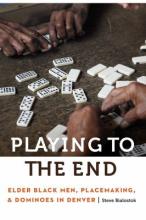
Our reading recommendation: Take a place at the card table with a group of older Black men who gather regularly to play dominoes in one of Denver’s recreation centers, creating camaraderie and poking fun at each other. In another world, Lincoln and Booth could have been one of these men. The card room is a safe place, one of defiance in the struggle for autonomy in the changing Park Hill neighborhood. Through humor and card play, they explore the social issues that extend beyond their neighborhood and have roots throughout American history.
About the book: In Playing to the End, Steve Bialostok immerses readers in the vibrant world of the card room at Denver's Hiawatha Davis Jr. Recreation Center, where a group of older Black men gather to play dominoes, exchange playful banter known as "talking shit," and cultivate a space of belonging. More than just a game, their gatherings are acts of Black placemaking-resisting cultural erasure, gentrification, and societal marginalization while fostering joy, resilience, and community. Through five years of ethnographic study, Bialostok reveals how these men transform the card room into a sanctuary of identity and defiance, where humor and camaraderie become tools of self-determination. As they navigate the pressures of a changing neighborhood, their interactions affirm the power of play, talk, and collective memory in sustaining Black spaces. Playing to the End is a compelling testament to the significance of these gatherings and the ongoing struggle for autonomy, cultural affirmation, and social connection in an inequitable world.
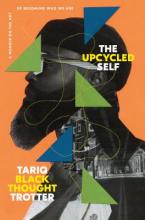
Bonus reading recommendation: Trotter, better known by his stage name Black Thought as the MC of The Roots, writes of loss, art, community, and family. The loss of his childhood home – he accidentally burned down his house at age six – and the loss of both his parents shaped him. Poetic and vulnerable from a talented musician.
About the book: In vivid vignettes, Black Thought tells the dramatic stories of the four powerful relationships that shaped him--with community, friends, art, and family--each a complex weave of love, discovery, trauma, and loss
What to Watch

Our watching recommendation: If you liked the sibling tension of the play, watch this TV show about two brothers in the wrestling world who are scripted rivals in the ring while at home they war over their late father's wrestling legacy. You’ll find family drama, complex identities, and conflict in eight episodes.
About the TV show: Two brothers and rivals, one a villain, or 'heel', in the ring; the other a hero, or 'face', war over their late father's wrestling promotion, vying for national attention in small-town Georgia.
What to Listen

Our listening recommendation: Lincoln and Booth are still dealing with being abandoned by their parents while Cabin in the Sky handles the death of one of the group’s founding members. The album is bright and world weary all at once, conceptually about the afterlife, honest and exposed, yet irreverent. Appreciate it for the entertainment or the social commentary.
About the album: Playful beats hide the sorrow in the group's first album since the death of member Trugoy the Dove, who died two years previous. There’s no need to know that history, though, to enjoy the music as it's one of the most enjoyable hip-hop albums of 2025 that will command your attention.
What to Download
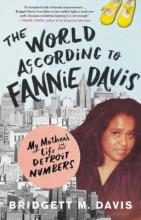
Our download recommendation: The numbers racket was part of the lucrative shadow economy in the lives of Black Americans who hoped and hustled to a better life. Davis recalls her mother, one of the few women who led the illegal lottery in the 1970s, placing her in the context of underground businesses in urban Detroit while focusing on the humanity of those involved. Like Lincoln and Booth, this biography shows that what you do for money doesn’t determine who you are.
About the book: In 1958, the very same year that an unknown songwriter named Berry Gordy borrowed $800 to found Motown Records, a pretty young mother from Nashville, Tennessee borrowed $100 from her brother to run a Numbers racket out of her tattered apartment on Delaware Street, in one of Detroit's worst neighborhoods. That woman was Fannie Davis, Bridgett M. Davis' mother. Part bookie, part banker, mother, wife, granddaughter of slaves, Fannie became more than a numbers runner: she was a kind of Ulysses, guiding both her husbands, five children and a grandson through the decimation of a once-proud city using her wit, style, guts, and even gun. She ran her numbers enterprise for 34 years, doing what it took to survive in a legitimate business that just happened to be illegal. She created a loving, joyful home, sent her children to the best schools, bought them the best clothes, mothered them to the highest standard, and when the tragedy of urban life struck, soldiered on with her stated belief: 'Dying is easy. Living takes guts.' A daughter's moving homage to an extraordinary parent, The World According to Fannie Davis is also the suspenseful, unforgettable story about the lengths to which a mother will go to 'make a way out of no way' to provide a prosperous life for her family--and how those sacrifices resonate over time. This original, timely, and deeply relatable portrait of one American family is essential reading.