
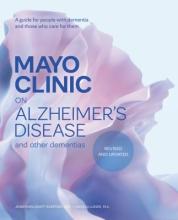
Dementia is a serious health challenge, and by some estimates the number of people living with dementia could more than double by 2050. While Alzheimer's disease is the most common type of dementia, other types also affect adults worldwide, causing loss of cognitive functions such as memory, reasoning and judgment. The diseases that cause dementia have long been considered difficult and unrelenting, but recent advances offer hope. Are there ways you can lower your risk of Alzheimer's Disease and other dementias? Can they be prevented? Can you live well with dementia? If so, how? This fully revised and updated third edition of Mayo Clinic on Alzheimer's Disease and Other Dementias provides answers to these important questions and more: How do sleeplessness, hearing loss, social isolation, and other risk factors contribute to cognitive decline? How can exercise and healthy foods preserve brain function? What are the neurological changes that can occur in the brain, and how is normal aging different from aging with dementia? How are blood and genetic biomarker tests breaking new ground in diagnosing dementia? Why is it increasingly important to identify dementia in its early stages? What are the unique signs and symptoms of Lewy body dementia, frontotemporal degeneration, vascular cognitive impairment, and other dementias? What are the stages of Alzheimer's disease? Can new and emerging medications slow the progression of Alzheimer's disease? What day-to-day coping strategies can help people live well with dementia? How can caregivers care for themselves?
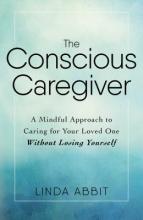
Linda Abbit, founder of Tender Loving Eldercare and a veteran of the caregiving industry, shares her advice on taking care of an older parent or loved one and how to handle everything that goes along with this dramatic life change. Being a caregiver can be a difficult role. It requires patience, tenderness, selflessness, and hard work. Providing care for someone, whether it's a parent, a loved one, or as a professional requires a high level of self-love and self-care. But while it may be a rewarding experience to care for a loved one, the emotional and physical stress of caregiving can lead to burnout and exhaustion--causing caregivers to put themselves and their own well-being in the background. How can you fulfill your role as a caregiver without losing yourself? Conscious Caregiver teaches you how to navigate caring for your loved one, whether it's full-time in-house caregiving or hiring support from outside services. With information on how to talk to your loved ones about the situation, handle the emotional stress, stay financially secure, and take the time to care for yourself, this guide can help you care for your loved one and yourself at the same time.
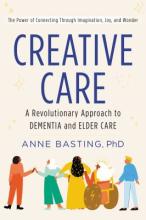
In Creative Care, Anne Basting lays the groundwork for a widespread transformation in our approach to elder care and uses compelling, touching stories to inspire and guide us all--family, friends, and health professionals--in how to connect and interact with those living with dementia. A MacArthur Genius Grant recipient, Basting tells the story of how she pioneered a radical change in how we interact with our older loved ones. Now used around the world, this proven method has brought light and joy to the lives of elders--and those who care for them. Here, for the first time, everyone can learn these methods. Early in her career, Basting noticed a problem: today's elderly--especially those experiencing dementia and Alzheimer's-- are often isolated in nursing homes or segregated in elder-care settings, making the final years of life feel lonely and devoid of meaning. To alleviate their sense of aloneness, Basting developed a radical approach that combines methods from the world of theater and improvisation with evidence-based therapies that connect people using their own creativity and imagination. Rooted in twenty-five years of research, these new techniques draw on core creative exercises--such as "Yes, and . . ." and "Beautiful Questions." This approach fosters storytelling and active listening, allowing elders to freely share ideas and stories without worrying about getting the details "correct." Basting's research has shown that these practices stimulate the brain and awaken the imagination to add wonder and awe to patients' daily lives--and provide them a means of connection, both with the world and with those caring for them. Creative Care promises to bring light and hope to a community that needs it most.
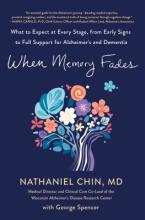
A geriatrician whose perspective on his specialty changed when his own father was diagnosed with dementia provides clear, calm questions to ask and tasks to tackle-as well as what not to worry about-from the first moments of concern. When Nate Chin's father, also a doctor, began to feel his mind slipping, even a family as knowledgeable and capable as theirs was knocked back on its heels, disorganized, and unsure of what to do first. Chin, who in addition to his practice, became one of his father's primary caregivers until he died, determined to figure out the best way to move forward, for his own family, his patients, and now for everyone else.
Worried about memory loss and dementia risk? This new book will show you easy-to-follow steps to keep your brain healthy.Emily Clionsky, MD, and Mitchell Clionsky, PhD, are a physician and neuropsychologist couple who have cared for their own parents with dementia, created a test used by doctors to measure cognitive function, and treated more than 25,000 patients with cognitive impairment. In Dementia Prevention, they combine the most current scientific findings about Alzheimer's disease and other dementias with their experience to present a practical guide that empowers you to improve your brain's future. This book skips the fads, the unsupported claims of advertised products, and fringe theories. Instead, the authors guide you through a science-based tour of dementia, including how your brain works and how its function is affected by everything from blood circulation and blood pressure to sugar levels, medications, vision, and hearing. You will learn how your activity level, weight, habits, mental outlook, and social engagement may affect your likelihood of developing dementia. Dementia Prevention provides a dementia risk checklist to better understand your personal risk profile to help you on your journey. The authors' training and experience as behavioral scientists will help you set better goals, identify roadblocks to success, and overcome these obstacles. Forgetfulness and confusion are not an inevitable part of growing older-you can make changes to keep your brain working well into your 70s and beyond. From how you breathe while you sleep to what you do socially and physically every day, Dementia Prevention will give you practical-and sometimes surprising-methods for you to protect your brain.
These compelling case histories meld science and storytelling to illuminate the complex relationship between the mind of someone with dementia and the mind of the person caring for them. After getting a master's degree in clinical psychology, Dasha Kiper became the live-in caregiver for a Holocaust survivor with Alzheimer's disease. For a year, she endured the emotional strain of looking after a person whose condition disrupts the rules of time, order, and continuity. Inspired by her own experience and her work counseling caregivers in the subsequent decade, Kiper offers an entirely new way to understand the symbiotic relationship between patients and those tending to them. Her book is the first to examine how the workings of the "healthy" brain prevent us from adapting to and truly understanding the cognitively impaired one. In these poignant but unsentimental stories of parents and children, husbands and wives, Kiper explores the existential dilemmas created by this disease: A man believes his wife is an impostor. A woman's imaginary friendships drive a wedge between herself and her devoted husband. Another woman's childhood trauma emerges to torment her son. A man's sudden Catholic piety provokes his wife. Why is taking care of a family member with dementia so difficult? Why do caregivers succumb to behaviors--arguing, blaming, insisting, taking symptoms personally--they know are counterproductive? Exploring the healthy brain's intuitions and proclivities, Travelers to Unimaginable Lands reveals the neurological obstacles to caregiving, enumerating not only the terrible pressures the disease exerts on our closest relationships but offering solace and perspective as well.
A trusted guide for 40 years, provides expert, compassionate advice on caring for people with dementia. The updated eighth edition includes the latest in diagnostics, treatments, prevention, and caregiver support, with practical tips for managing symptoms, avoiding burnout, and accessing additional help.
Dementia poses a profound and difficult journey for those directly affected, and for their loved ones and caregivers too. Life at home goes through a significant change, but with the right tools, some patience and compassion, it is possible to create a fulfilling home environment while caring for a loved one with dementia. This book is full of valuable guidance and support as you navigate the transition from intimate relationship to the role of compassionate caregiver. It explores the foundations of understanding the person with dementia and the daily challenges they may encounter, while also offering insights that help caregivers to forge a healthy approach to understanding their loved ones and themselves.
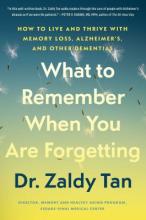
Media darling and director of Memory and Healthy Aging at Cedars-Sinai Medical Center, Dr. Zaldy Tan's What to Remember When You Are Forgetting shares the definitive guide to thriving with dementia for the recently diagnosed and their caregivers. Renowned memory and Alzheimer's disease specialist, researcher, educator, and author Dr. Zaldy Tan, the Harvard-trained director of the Cedars-Sinai Memory and Healthy Aging Program, shares the definitive guide to thriving with dementia, in a format similar to the perennial bestseller What to Expect When You're Expecting. With an incredibly thorough and deeply comforting approach, Dr. Tan tackles everything from how to handle an initial assessment for Alzheimer's and who should be present, to what accommodations and treatments should be made for each stage. He delves into the surprisingly hopeful research on new treatment and coping modalities everyone should know, and reveals how other families and remarkable individuals he's treated over the years have handled both difficult challenges and incredible triumphs after diagnosis.
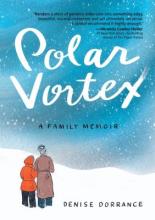
For fans of Can't We Talk About Something More Pleasant?, a poignant, stirring graphic memoir--both heartbreaking and darkly funny--that perfectly captures the grief, nostalgia, and chaos of traveling home to care for an elderly parent in crisis.
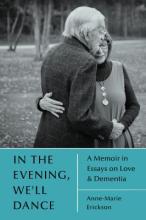
In this compelling memoir, the author relates the life and passing of her husband from the progressive effects of dementia.
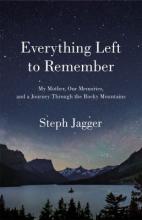
In this heart wrenching and inspirational memoir a woman and her mother, who is suffering from Alzheimer's, embark on a road trip through national parks, revisiting the memories, and the mountains, that made them who they are. Steph Jagger lost her mother before she lost her. Her mother, stricken with an incurable disease that slowly erases all sense of self, struggles to remember her favorite drink, her favorite song, and, perhaps most heartbreaking of all, Steph herself. Steph watches as the woman who loved and raised her, slips away before getting the chance to tell her story, and so Steph makes a promise: her mother will walk it and she will write it. Too aware of her mother's waning memory, Steph proposes that the two take a camping trip out to Montana, which her mother, on the urging of Steph's father, agrees to embark upon. An adventure full of horseback riding, hiking, and "tenting" out West quickly turns into one woman's reflection on childhood, motherhood, personhood-and what it means to love someone who doesn't quite remember the person she spent her lifetime becoming. A staggeringly beautiful examination of how stories are passed down through generations and from Mother Nature, Everything Left to Remember brings us the wisdom of who our memories make us under the constellations of the vast Montana sky.
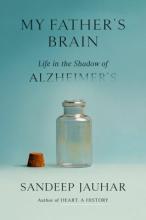
A doctor's memoir about his father's experience of dementia, and an overview of the history of and latest findings on the disease.
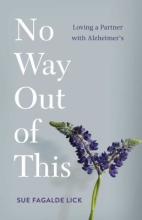
No Way Out of This is not the kind of Alzheimer's memoir where you read about a noble, self-sacrificing wife who gives up everything to take care of her husband. We see such spouses in books and movies--but they're not telling the whole story. Nobody's that good. Certainly Sue Lick isn't. Sue's much-older husband, Fred, is a forgetful man. She's always found that charming. But when his absentmindedness worsens into full-blown dementia, she suddenly finds herself dealing with his illness alone. Struggling to care for Fred and manage their two loveable but incorrigible dogs and still find time to write and play music, Sue constantly faces impossible choices. Tell people about his illness? Let him drive? Put him in an institution? Treat his medical problems, or let him go? Every decision feels wrong--but in the end, their love carries them through it all.
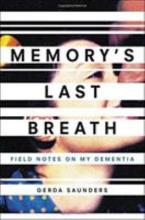
Based on the "field notes" she keeps in her journal, Memory's Last Breath is Saunders' astonishing window into a life distorted by dementia. She writes about shopping trips cut short by unintentional shoplifting, car journeys derailed when she loses her bearings, and the embarrassment of forgetting what she has just said to a room of colleagues. Coping with the complications of losing short-term memory, Saunders nonetheless embarks on a personal investigation of the brain and its mysteries, examining science and literature, and immersing herself in vivid memories of her childhood in South Africa.
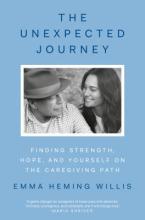
The day Emma Heming Willis's husband, Bruce Willis, was diagnosed with frontotemporal dementia (FTD), all they were given was a pamphlet and told to check back in a few months. With no hope or direction, Emma walked out of that doctor's appointment frozen with fear, confusion, and a sense that her world had just fallen apart. In fact, it had. Bruce and Emma had their story written, their future mapped out. Yet all those dreams crumbled with that diagnosis, and Emma felt alone and more isolated than ever. How would she care for her husband while parenting their young daughters? At that devastating time, Emma just wanted someone who'd been through it to tell her, "This feels terrible right now. Your life is in shambles. But it's going to be okay. Here are some things to think about and put in place so you cannot just survive but thrive." With The Unexpected Journey, Emma has written the book she wishes she'd been handed on the day of Bruce's diagnosis: a supportive guide to navigating the complicated, heartbreaking, and transformative experience that is caregiving for your loved one. Weaving her personal journey as a care partner with the latest research and insights from the world's top dementia, caregiving, and integrative experts she offers the guidance and wisdom caregivers everywhere so desperately need to hear.
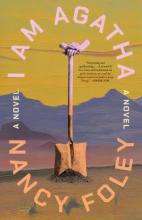
A darkly funny and moving debut novel about the unforgettable Agatha, whose devotion to a widow with dementia (and an inconvenient attachment to her daughter's grave) sparks a radical reckoning with life, loss, and love's aftermath.
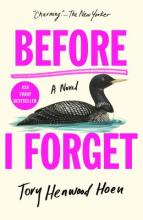
Call it inertia. Call it a quarter-life crisis. Whatever you call it, Cricket Campbell is stuck. Despite working at a zeitgeisty wellness company, the 26-year-old feels anything but well. Still adrift after a tragedy that upended her world a decade ago, she has entered early adulthood under the weight of a new burden: her father's Alzheimer's diagnosis. When Cricket's older sister Nina announces it is time to move Arthur from his beloved Adirondack lake house into a memory-care facility, Cricket has a better idea. In returning home to become her father's caretaker, she hopes to repair their strained relationship and shake herself out of her perma-funk. But even deeply familiar places can hold surprises.

He's not your average Grandpa. As a lover of classic crime stories, it's no surprise that schoolteacher Kaede encounters everyday mysteries more often than your typical twenty-seven-year-old. Solving them is another matter, though. For that, she turns to her beloved grandfather, who retains a keen sharpness of mind despite his dementia, and who was once a key member of The Waseda Mystery Club. From impossible locked room murders to confounding missing persons cases, the grandfather-granddaughter duo "weave stories" to get to the bottom of every mystery. But all the while, an insidious shadow from Kaede's past slowly closes in on her . . .
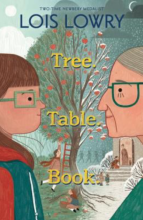
Eleven-year-old Sophia endeavors to prevent her increasingly forgetful eighty-eight-year-old neighbor and best friend Sophie from entering assisted living, and in the process, uncovers unexpected stories of war, loss, and hope.
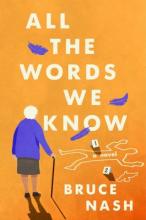
Rose may be in her eighties and suffering from dementia, but she's not done with life just yet. Alternately sharp as a tack and spectacularly forgetful, she spends her days roaming the corridors of her assisted living facility, musing on the staff and residents, and enduring visits form her emotionally distant children and granddaughters. But when her friend is found dead after an apparent fall from a window, Rose embarks on an eccentric and determined investigation to discover the truth and uncover all manner of secrets...even some from her own past.

Set in a peaceful English retirement village called Cooper's Chase, four unlikely friends meet weekly in the Jigsaw Room to investigate unsolved cold cases for fun. When a brutal real-life murder happens on their doorstep, they jump at the chance to solve a live case.
The Thursday Murder Club (2020)
The Man Who Died Twice (2021)
The Bullet That Missed (2022)
The Last Devil to Die (2023)
The Impossible Fortune (2025)
Denver Public Library Programs
Memory Cafe is a fun place to socialize, relax, and engage with people experiencing memory loss and their families/caregivers. Each cafe has a focus—such as music or art—to facilitate the main goal, which is a social connection for individuals with shared experiences. At the Memory Cafe, you can just be yourself -- without worrying about remembering or forgetting.
Memories in the Making is an art program. Whether you’re new to making art or have years of experience, this program fosters a supportive and inclusive atmosphere. While especially welcoming to those with mild cognitive impairment or memory challenges, everyone is encouraged to attend.
Dementia Friendly Denver
Free dementia education programs to government, business, academic, faith, and community organizations throughout the greater Denver area.
Denver Art Museum: Out & About Tours
Art & About tours are designed for visitors with early-stage Alzheimer's or dementia and their care partners. Experience and discuss art together on a tour led by a specially trained guide on the second Thursday of the month. Themes change every month.
University of Colorado Alzheimer's and Cognition Center
The University of Colorado (CU) Alzheimer's and Cognition Center is located at CU Anschutz and is part of the School of Medicine, Department of Neurology. Our center offers clinical care, clinical research, and translational research through a collaboration between the University of Colorado and the University of Colorado Health System. We emphasize both research and clinical care using a team approach, with laboratory research scientists and neurology clinicians, who are also faculty members and clinical researchers at the CU School of Medicine, all working collaboratively on the science and treatments of neurodegenerative diseases. Our center also connects with the community outside of the university with education and support programs, participating in community events, and working with community advisory boards.
Second Verse Choir
Our mission is to bring joy, purpose, and connection to people living with memory loss, and their care partners. Through music and performance, we aim to reduce isolation and challenge the stigma of Alzheimer’s and other dementias, fostering understanding and inclusion in our community.
Alzheimer's Association: Colorado Chapter
In Colorado, nearly 91,000 people are living with Alzheimer’s. 178,000 caregivers dedicate 309 million hours of unpaid care. From Denver to Colorado Springs to Grand Junction and every town in between, your local Colorado chapter of the Alzheimer’s Association is here to help. Whether it’s offering support to anyone facing Alzheimer’s, advocating for the needs and rights of those facing dementia, or advancing critical research, we work toward methods of treatment, prevention, and ultimately, a cure.
Dementia Action Alliance
The goals of DAA are: Educating about the negative effects of stigma and misperceptions. Empowering and encouraging a proactive attitude for living with a chronic condition. Championing strategies and accommodations for changing cognitive abilities. Promoting person- and relationship-centered support practices. Creating pathways to connect and engage with others living with dementia. Identifying beneficial technologies.
SPARK!
SPARK! is a creative engagement program for people with early to mid-stage memory loss and their care partners. Programs are designed to keep participants actively engaged in their communities by providing experiences that stimulate conversations, provide peer support and inspire creativity through creative engagement, workshops and programs. SPARK! programs are FREE for families to attend together in a comfortable environment led by specially trained staff and volunteers.
TimeSlips
TimeSlips shifts from the expectation of memory, to the exploration of imagination. Our evidence-based and award-winning approach brings joy to elders and their care partners by infusing creativity and meaning-making into care relationships and systems. We began with one volunteer in 1998. We became an independent non-profit in 2013, and we now train and certify facilitators across the world.
Dementia Friendly America
Dementia Friendly America (DFA) envisions an America where individuals living with dementia and their care partners can live, engage and thrive in community no matter where they live. DFA is a national network of communities, organizations and individuals seeking to ensure that communities across the U.S. are equipped to support people living with dementia and their care partners.
DFA's Memory Cafe Alliance was formed to sustainably increase the number of high-quality Memory Cafes throughout the U.S.
GUIDE (Guiding an Improved Dementia Experience) Model
From the Centers for Medicare & Medicaid Services, the Guiding an Improved Dementia Experience (GUIDE) Model is a voluntary, nationwide model testing the impact of providing comprehensive services and supports for people with dementia and their caregivers. The model began on July 1, 2024, and will run for 8 years.
National Council of Dementia Minds
National Council of Dementia Minds (NCDM) is proud to be the first national 501(c)(3) nonprofit organization founded and governed by people living with dementia. We include individuals with all types of dementia or mild cognitive impairment (MCI), including younger-onset dementias. Our groundbreaking mission is to develop and support a national corps of Dementia Minds™ groups—composed of people living with dementia—who foster education and dialogue among individuals with neurocognitive disorders, families, care partners, healthcare providers, researchers, policymakers, and communities.