
See all books in this list in our catalog.
Non-Fiction and Self Help | Memoirs | Fiction | Resources
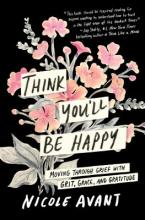
Nicole Avant--diplomat, philanthropist, filmmaker--grew up surrounded by some of the most extraordinary artists of our time: Bill Withers, Oprah Winfrey, Quincy Jones, Sidney Poitier. Her parents--entertainment mogul, Clarence Avant, and legendary philanthropist, Jacqueline Avant--turned their home into a place of refuge and inspiration for a generation of geniuses. Nicole drew on that magical upbringing to create a stellar career in the music business, become the U.S. ambassador to the Bahamas, and produce critically acclaimed award-winning films and documentaries. Then, an unthinkable tragedy struck: her mother was fatally shot in December 2021. In this searing and inspiring memoir, Nicole turns the pain of her family's loss into the fuel that pushes her forward into an even more committed life of love and activism: "We can't banish evil," she writes. "We have to learn to swim through trauma and live for all of those who can't." Turning tragedy into inspiration, Think You'll Be Happy--her mom's last words to Nicole--provides a roadmap for anyone working to remain positive and anchored in hope.
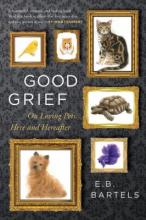
An unexpected, poignant, and personal account of loving and losing pets, exploring the singular bonds we have with our companion animals, and how to grieve them once they've passed.
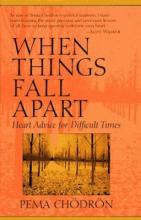
The beautiful practicality of her teaching has made Pema Chödrön one of the most beloved of contemporary American spiritual authors among Buddhists and non-Buddhists alike. A collection of talks she gave between 1987 and 1994, the book is a treasury of wisdom for going on living when we are overcome by pain and difficulties.
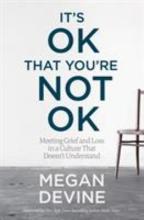
With It’s OK That You’re Not OK, Megan Devine offers a profound new approach to both the experience of grief and the way we help others who have endured tragedy. Having experienced grief from both sides―as both a therapist and as a woman who witnessed the accidental drowning of her beloved partner―Megan writes with deep insight about the unspoken truths of loss, love, and healing. She debunks the culturally prescribed goal of returning to a normal, "happy" life, replacing it with a far healthier middle path, one that invites us to build a life alongside grief rather than seeking to overcome it.
Leanne Friesen thought she knew a lot about bereavement. But it was only when her own sister died from cancer that she learned what grieving people need. In these pages, Friesen writes with vulnerability, wisdom, and even wit about stark and sacred lessons learned at deathbeds and funerals. When we lose someone, what we need most is grieving room.
You're So Strong examines the beautiful, hilarious mess of life after loss, the superpower of embracing the awful with the amazing, and one ordinary widow/single mom's discovery that being strong looks less like conquering the stages of grief and more like coming to the end of yourself to find that God is right there, grieving alongside you.
For those who have suffered the loss of a loved one, here are strength and thoughtful words to inspire and comfort.
Grief. We've all experienced it. And if we're lucky, we've had support to find our way through it. In her book, ... Lisa Keefauver wants to provide that support through her expertise as a social worker and her own deeply personal experience of loss. Keefauver's advice is framed around the concept of the 5 Ws of grief: why you are grieving, what type of grief, who is grieving, where grief comes from and where it goes, and when we grieve. Building from her podcast of the same name, Keefauver asserts that we live in a grief-illiterate world and offers her readers 'a place, time, and space to be seen, validated, and accompanied in your grief.
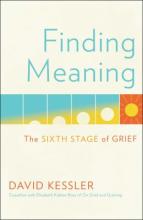
In 1969, Elisabeth Kübler Ross identified five stages of dying in her book On Death and Dying. Now Kessler introduces a critical sixth stage: finding meaning that can transform grief into a more peaceful and hopeful experience. Though his journey with grief began as a child, his life was upended by the sudden death of his twenty-one-year-old son. Here he shares the insights, collective wisdom, and powerful tools he has learned over the decades.
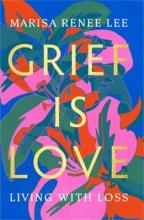
In Grief is Love, author Marisa Renee Lee reveals that healing does not mean moving on-healing means learning to acknowledge and create space for your grief. She guides you through the pain of early grief and shows you how to to honor your loss. It's common to plow through our feelings in the name of being "OK," but grief is so inextricably tied to love that you don't just "get over it." Grief is Love is about making space for the transformation that this constant state of learning requires. It is about learning to love yourself and the one you lost with the same depth, passion, joy, and commitment you did when they were alive, perhaps even more. Lee shows that there isn't only one way to grieve, and so your expression of it should be unique. She shepherds you through your grief as it arises and falls again and again. The transformation we each undergo after loss is the indelible imprint of the people we love on our lives, which is the true meaning of legacy. Healing after loss is not about burying pain but about acknowledging it and allowing grief to move through you in order to be whole. How do you manage the holidays, birthdays, and anniversaries? How do you get through the next year or even tomorrow? In beautiful, compassionate prose, Lee elegantly offers wisdom about what it means to authentically and defiantly claim space for these complicated feelings and emotions. And Lee is no stranger to grief herself, after losing her mother, her fertility, a pregnancy, and, most recently, a cousin to the COVID-19 pandemic. In this book, she also explores the unique impact of grief on Black people, Black women in particular, and reveals the key factors that proper healing requires: acknowledgement, rest, community, reflection, support, care and more. At its core, Grief is Love explores what comes after death, and shows us that if we are able to own and honor what we've lost, we can have a beautiful and joyful life in the midst of grief.
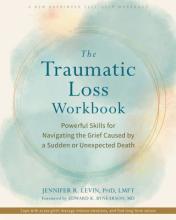
The unexpected or sudden death of a loved one is beyond devastating, and can leave those impacted in a state of shock, trauma, and inability to cope. This gentle workbook utilizes an integrative approach drawing on dialectical behavior therapy (DBT), emotional regulation skills, cognitive behavioral therapy (CBT), and narrative therapy to support readers through the grief process, so they can move forward after the sudden or unexpected death of a loved one.
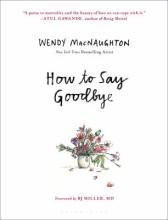
As artist-in-residence at the Zen Hospice Project Guest House, Wendy MacNaughton experienced firsthand how difficult it is to know what to do when we're sharing final moments with a loved one. In this tenderly illustrated guide to saying goodbye, with a foreword by renowned physician and author BJ Miller, MacNaughton shows how to make sure those moments are meaningful. Using a framework of "the five things" taught to her by a professional caregiver, How to Say Goodbye provides a model for having conversations of love, respect, and closure: with the words "I forgive you," "Please forgive me," "Thank you," "I love you," and "Goodbye," each oriented toward finding mutual peace and understanding when it matters most. How to Say Goodbye features MacNaughton's drawn-from-life artwork from both the Zen Hospice Project Guest House and her own aunt's bedside as she died, each paired with hospice caregivers' gentle advice on creating a positive sensory experience, acknowledging what you can't control, and sharing memories and gratitude. A poignant guide to embracing the present and deepening relationships during great vulnerability, How to Say Goodbye shows that just as there is no one right way to live a good life, there is no one right way to say goodbye. Whether confused, scared, or uncertain, this book is a starting point.
If you've experienced profound loss, the last thing that you want to hear is "time heals all wounds." The truth is that you may never fully heal, and that's okay. You can still move on to live a meaningful life. This guide will help you discover how through a step-by-step, comprehensive process
From grief expert and neuroscientist Mary-Frances O'Connor PhD, The Grieving Brain utilizes cutting-edge research to guide us through how our brains process love and loss-and how we can learn to heal.
This thoughtful collection features prompts, actions and insights that will support you through your ever evolving grieving journey. It offers grounding thoughts, meaningful ideas for honoring your loved ones, and reliable resources to help you navigate the shifting landscape of your emotions.
An embodied guide to being with grief individually and in community-practical exercises, decolonized rituals, and Earth-based medicines for healing and processing loss.
A moving, revelatory exploration of the ways we can find meaning in the tumult of change, from a renowned cognitive scientist and host of the podcast A Slight Change of Plans. Life has a way of thwarting our best-laid plans. Out of nowhere you lose a job, end a relationship, get an unexpected diagnosis, or suffer some other trick of fate. When your world is turned upside down like this, it can feel like you're free-falling into the unknown. Maya Shankar has spent decades researching people's interior lives. When an unexpected change in her life left her feeling isolated and despondent, she was convinced she must have missed something. Had others figured out how to do change better? She sought out people who had undergone life-altering, extraordinary change and asked them to tell her everything. The process of listening deeply as others recounted their experiences led her to surprising insights that can help us all better navigate personal upheaval. She shares their intimate, illuminating stories: a mother afraid to connect with her critically ill child, an incarcerated man searching for a new path forward, a writer muted by the shame of a family secret. Each had to recognize that they were shackled by a particular way of thinking before they were able to find a different perspective that unlocked new and freeing possibilities. They realized that the ideas they had long taken for granted-about how the world works, about themselves, about where they found meaning or safety-could be radically reconsidered. Drawing on the latest scientific research, Shankar invites us to explore who we can become on the other side of seismic change. With the right perspective, what begins as a destabilizing and frightening experience has the potential to set off a process of discovery that can crack open a deeper understanding of who we are and the potential within us.
Dear Black woman, you are not alone. God sees you and understands you. Amid a broken world and broken systems, Natasha Smith talks about the grief that is specifically applicable to Black women in the United States and reminds us that there is hope because the kingdom of God is at hand.
What if the great love of your life is friendship? In their twenties, Lissa Soep and her boyfriend forged deep friendships with two other couples—Mercy and Christine; and Emily and Jonnie—until, decades later, Jonnie died suddenly, in an accident, and Christine passed away after a mysterious illness. Christine had been a writer, Jonnie a storyteller. Lissa couldn’t imagine a world without their letters, postcards, texts—a world without their voices. Then she found comfort in a surprising place. As a graduate student, she had studied the philosophy of the Russian critic Mikhail Bakhtin, who wrote about the many voices that can echo through a single person’s speech. Suddenly, Bakhtin’s theory that our language is “filled to overflowing with other people’s words” came to life. Lissa began hearing Jonnie and Christine when least expected. In a conversation with Emily, a familiar phrase was spoken, and suddenly, there was Jonnie, with his riotous laugh, vibrant in her mind. Mercy recited an Adrienne Rich poem in just the way Christine used to and, for a moment, Christine was with them in the room. Other People’s Words shows us how we carry within us the language of loved ones who are gone, and how their words can be portals to other times and places. Language—as with love—is boundless, and Other People’s Words is an intimate, original, and profoundly generous look at its power to nurture life amid the wreckage of grief. Dialogues do not end when a friendship or person is gone; instead, they accrue new layers of meaning, showing how the conversations we share with those we love continue after them, and will continue after us.
When was the last time you cried? Was it because you were sad? Or happy? Overwhelmed, or frustrated? Maybe from relief or from pride? Was it in public or in private? Did you feel better afterwards, or worse? The reasons that we cry--and the circumstances in which we shed a tear--are often surprising and beautiful. Sad Happens is a collective, multi-faceted archive of tears that captures the complexity and variety of these circumstances. We hear from Mike Birbiglia on the role that grief and pain have in comedy; Jia Tolentino on how motherhood made her cry in both hormonal joy and fervent rage; and Hanif Abdurraqib on the intimacy of crying on planes. We hear from Phoebe Bridgers on poignant moments of departure and JP Brammer on the strange disappointments of success; Matt Berninger on becoming a crybaby in his adulthood and Hua Hsu on crying during a moment of public uncertainty. We also hear from everyday people in a range of professions: an actor on the tips she learned from drag queens about preserving a full face of makeup while crying; a zookeeper on mourning the animals who have died during her tenure; a bartender on crying in the walk-in; and a TV critic on the shows that have moved her. Brimming with humanity, this anthology is confirmation that sad happens--but so does joy, love, a sense of community, and a host of other emotions. By turns moving and affirming, Sad Happens is an emotional balm and visual delight.
A groundbreaking exploration of grief and racial trauma through the eyes of a Black end-of-life caregiver. Grieving While Back: An Anti-Racist Take on Oppression and Sorrow approaches grief as something that is bigger than what's already happened to us--as something that is connected to what we fear, what we love and what we aspire towards. Because grief impacts our relationship with ourselves and each other, and our social location determines the amount of harm we are able to inflict against others, systemic oppression can be interpreted as the result of our unprocessed but inescapable relationship to loss.
Through story, poetry, and insightful reflections, reveals how ritual, community, and the sacred restore the original context of grief.
All of us experience loss. Some of us have lost a spouse, or a child, our parents, a beloved pet, a dear friend, or neighbor. In the pandemic, we have lost hundreds of thousands of lives in the United States and around the world. Many of us have lost our livelihoods. All of us have lost our familiar daily routines and textures of work, family, and community. And the losses are not over. Opening to Grief is a companion to this tender time. With the demeanor and tone of a loving friend, the authors offer an invitation to grieve fully, to turn toward your emotions and experiences however they arise, and to follow your own path toward healing. The book explores the deep truth that grief and love are richly intertwined. Because we love, we grieve. And when we fully feel our sorrow, we open to loving ourselves and other beings more deeply.
How do you live without your champion and other half? The answer is that you mourn as you loved: heroically, grandly, and fully. In this compassionate guide by one of the world's most beloved grief counselors, you'll find empathetic affirmation and advice intermingled with real-life stories from other halved soulmates. Learn to honor your loved one and your grief even as you find a path to a renewed life of purpose and joy.
Ritual is one of the oldest, and certainly most enigmatic, threads in the history of human culture. It presents a profound paradox: people ascribe the utmost importance to their rituals, but few can explain why they are so important. Apparently pointless ceremonies pervade every documented society, from handshakes to hexes, hazings to parades. Before we ever learned to farm, we were gathering in giant stone temples to perform elaborate rites and ceremonies. And yet, though rituals exist in every culture and can persist nearly unchanged for centuries, their logic has remained a mystery--until now. In Ritual , pathfinding scientist Dimitris Xygalatas leads us on an enlightening tour through this shadowy realm of human behavior. Armed with cutting-edge technology and drawing on discoveries from a wide range of disciplines, he presents a powerful new perspective on our place in the world. In birthday parties and coronations, in silent prayer, in fire-walks and terrifying rites of passage, in all the bewildering variety of human life, Ritual reveals the deep and subtle mechanisms that bind us together.
The author presents a timely and deeply personal account of the loss of her father.
In THE LIGHT OF THE WORLD, Elizabeth Alexander--poet, mother, and wife--finds herself at an existential crossroads after the sudden death of her husband, who was just 49. Reflecting with gratitude on the exquisite beauty of her married life that was, grappling with the subsequent void, and feeling a re-energized devotion to her two teenage sons, Alexander channels her poetic sensibilities into a rich, lucid prose that describes a very personal and yet universal quest for meaning, understanding, and acceptance. She examines the journey we take in life through the lens of her own emotional and intellectual evolution, taking stock of herself at the midcentury mark. Because so much of her poetry is personal or autobiographical in nature, her transition to memoir is seamless, guided by her passionate belief in the power of language, her determination to share her voyage of self-discovery with her boys, and her embrace of the principle that the unexamined life is not worth living. This beautifully written book is for anyone who has loved and lost. It's about being strong when you want to collapse, about being grateful when someone has been stolen from you--it's discovering the truth in your life's journey: the good, the bad, and the ugly. It's Elizabeth Alexander's story but it is all of our stories because it is about discovering what matters.
In the aftermath of her own critical illness, physician and writer Dr. Rana Awdish finds herself oddly estranged her from her own body. Medicine has conditioned her to view sick bodies as broken objects, not as sites of meaning, mystery, and quiet wisdom. So, when her own body warns her that she'll be dead in five years, she's unsure whether to trust it enough to follow where it leads. Allowing for this kind of innate, bodily wisdom would require her to dismantle and reconfigure her entire belief system. She decides to take a leap of faith, abandon certainty and surrender to the message―a choice that ultimately saves her life. What emerges is a profound and vulnerable meditation on the true nature of healing.
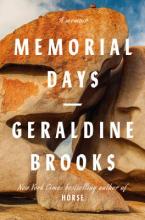
It was Memorial Day, 2019, when Geraldine Brooks received news that her husband, Tony Horwitz, had collapsed and died, far from home, in the middle of his own book tour. The complex tasks required in the face of such a sudden death left her no time to properly grieve for him. Three years later, still feeling broken and bereft, she booked a flight to a remote island off the coast of Tasmania. Alone on a rugged stretch of coast, she revisited a thirty-five-year marriage filled with risk, adventure, humor, and love. There, she pondered the ways other cultures deal with mourning and finally seized the time and space she needed for her own grief.
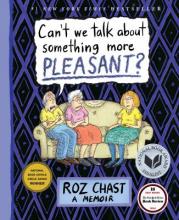
In her first memoir, Roz Chast brings her signature wit to the topic of aging parents. Spanning the last several years of their lives and told through four-color cartoons, family photos, and documents, and a narrative as rife with laughs as it is with tears, Chast's memoir is both comfort and comic relief for anyone experiencing the life-altering loss of elderly parents. When it came to her elderly mother and father, Roz held to the practices of denial, avoidance, and distraction. But when Elizabeth Chast climbed a ladder to locate an old souvenir from the "crazy closet"--with predictable results--the tools that had served Roz well through her parents' seventies, eighties, and into their early nineties could no longer be deployed. While the particulars are Chast-ian in their idiosyncrasies--an anxious father who had relied heavily on his wife for stability as he slipped into dementia and a former assistant principal mother whose overbearing personality had sidelined Roz for decades--the themes are universal: adult children accepting a parental role; aging and unstable parents leaving a family home for an institution; dealing with uncomfortable physical intimacies; managing logistics; and hiring strangers to provide the most personal care.
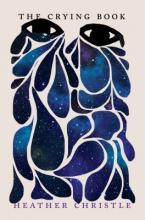
Award-winning poet Heather Christle has just lost a dear friend to suicide and must reckon with her own struggles with depression and the birth of her first child. How she faces her joy, grief, anxiety, impending motherhood, and conflicted truce with the world results in a moving meditation on the nature, rapture, and perils of crying--from the history of tear-catching gadgets (including the woman who designed a gun that shoots tears) to the science behind animal tears (including moths who drink them) to the fraught role of white women's tears in racist violence.
A memoir about the suicide of the author's closest friend and the ensuing grief process.
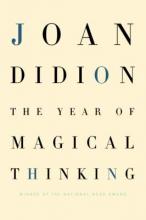
From one of America's iconic writers, a stunning book of electric honesty and passion. Joan Didion explores an intensely personal yet universal experience: a portrait of a marriage–and a life, in good times and bad–that will speak to anyone who has ever loved a husband or wife or child.
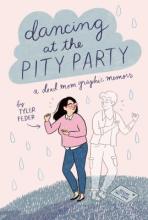
Tyler Feder shares her story of her mother's first oncology appointment to facing reality as a motherless daughter in this frank and refreshingly funny graphic memoir.
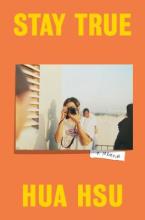
Ken, whose Japanese American family has been in the United States for generations, is mainstream; for Hua, a first-generation Taiwanese American who has a 'zine and haunts Bay Area record shops, Ken represents all that he defines himself in opposition to. The only thing Hua and Ken have in common is that, however they engage with it, American culture doesn't seem to have a place for either of them. But despite his first impressions, Hua and Ken become best friends, a friendship built of late-night conversations over cigarettes, long drives along the California coast, and the textbook successes and humiliations of everyday college life. And then violently, senselessly, Ken is gone, killed in a carjacking. ... Determined to hold on to all that was left of his best friend, ... Hua turned to writing.
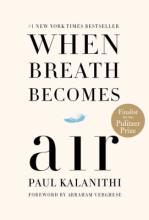
For readers of Atul Gawande, Andrew Solomon, and Anne Lamott, a profoundly moving, exquisitely observed memoir by a young neurosurgeon faced with a terminal cancer diagnosis who attempts to answer the question What makes a life worth living? At the age of thirty-six, on the verge of completing a decade's worth of training as a neurosurgeon, Paul Kalanithi was diagnosed with stage IV lung cancer. One day he was a doctor treating the dying, and the next he was a patient struggling to live. And just like that, the future he and his wife had imagined evaporated. When Breath Becomes Air chronicles Kalanithi's transformation from a naïve medical student "possessed," as he wrote, "by the question of what, given that all organisms die, makes a virtuous and meaningful life" into a neurosurgeon at Stanford working in the brain, the most critical place for human identity, and finally into a patient and new father confronting his own mortality. What makes life worth living in the face of death? What do you do when the future, no longer a ladder toward your goals in life, flattens out into a perpetual present? What does it mean to have a child, to nurture a new life as another fades away? These are some of the questions Kalanithi wrestles with in this profoundly moving, exquisitely observed memoir. Paul Kalanithi died in March 2015, while working on this book, yet his words live on as a guide and a gift to us all. "I began to realize that coming face to face with my own mortality, in a sense, had changed nothing and everything," he wrote. "Seven words from Samuel Beckett began to repeat in my head: 'I can't go on. I'll go on.'"
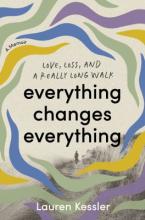
A gutsy, no-holds-barred immersion journalist, Lauren Kessler has explored everything from the gritty world of a maximum security prison to the grueling world of professional ballet; from the wild, wild west of the anti aging movement to the hidden world of Alzheimer's sufferers. But nothing prepared her for the kind of story no one wants to experience: her beloved husband's illness and his planned death in their living room. And eight months later, her daughter's death, a fentanyl overdose on a ratty couch in a drug house far from home. "It is solved by walking" is the oft-quoted wisdom attributed to Saint Augustine; not a religious person at all, but bereft and needing to do something, Lauren takes on the famed Camino de Santiago in order separate the life she'd been living from the life that was now in front of her. A story about facing what needs to be faced and not turning away, Everything Changes Everything is about the wounds we suffer, the wounds we hide, and the wounds we learn to heal. It is about the privilege of choosing hardship, the solace of kindred spirits, and the surprise of temporary friendship. It is about ridiculous, unfounded optimism. It is a meditation on collective grief, on life, and what we do when the sidewalk crumbles under us. It is a book about hurt and healing, about grief and joy, about the weight we carry and how to carry it. And the Camino runs through it.
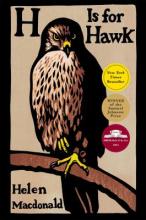
As a child Helen Macdonald was determined to become a falconer. She learned the arcane terminology and read all the classic books, including T.H. White's tortured masterpiece, The Goshawk, which describes White's struggle to train a hawk as a spiritual contest. When her father dies and she is knocked sideways by grief, she becomes obsessed with the idea of training her own goshawk. She buys Mabel ... on a Scottish quayside and takes her home to Cambridge. Then she fills the freezer with hawk food and unplugs the phone, ready to embark on the long, strange business of trying to train this wildest of animals.
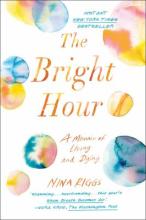
Built on her wildly popular Modern Love column, 'When a Couch is More Than a Couch' (9/23/2016), a breathtaking memoir of living meaningfully with 'death in the room' by the 38 year old great-great-great granddaughter of Ralph Waldo Emerson, mother to two young boys, wife of 16 years, after her terminal cancer diagnosis.
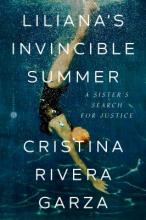
In the early hours of July 16, 1990, Liliana Rivera Garza was murdered by her abusive ex-boyfriend. A life full of promise and hope, cut tragically short, Liliana's story instead became subsumed into Mexico's dark and relentless history of domestic violence. With Liliana's case file abandoned by a corrupt criminal justice system, her family, including her older sister Cristina, was forced to process their grief and guilt in private, without any hope for justice. A memoir decades in the making, Liliana's Invincible Summer tells a singular yet universally resonant story: that of a spirited, wondrously romantic young woman who tried to survive in a world of increasingly normalized gendered violence. It traces the story of her childhood, her early romance with a handsome--but insecure and possessive--older man, through the exhilarating weeks leading up to that fateful July morning, a summer when Liliana loved, thought, and traveled more widely and freely than she ever had before.

From the New York Times bestselling author of I Am Not Your Perfect Mexican Daughter, an utterly original memoir-in-essays that is as deeply moving as it is hilariously funny.
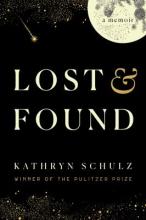
Eighteen months before her beloved father died, Kathryn Schulz met Casey, the woman who would become her wife. Lost & Found weaves together their love story with the story of losing Kathryn's father in a brilliant exploration of the way families are lost and found and the way life dispenses wretchedness and suffering, beauty and grandeur all at once. Schulz writes with painful clarity about the vicissitudes of grieving her father, but she also writes about the vital and universal phenomenon of finding. The book is organized into three parts: "Lost," which explores the sometimes frustrating, sometimes comic, sometimes heartbreaking experience of losing things, grounded in Kathryn's account of her father's death; "Found," which examines the experience of discovery, grounded in her story of falling in love; and finally, "And," which contends with the way these events happen in conjunction and imply the inevitable: Life keeps going on, not only around us but beyond us and after us. Kathryn Schulz has the ability to measure the depth and breadth of human experience with unusual exactness and then to articulate the things all of us have felt but have been unable to put into language. Lost & Found is a work of philosophical interrogation as well as a story about life, death, and the discovery of one great love just as she is losing another.
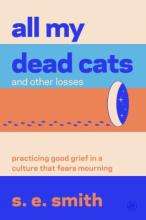
Have you suffered a loss? How was your life changed by the grief you experienced? Did you feel like your grief was properly acknowledged? Mourning is a personal experience and shouldn't be judged. There are no do-overs in death, but there are do-betters. All My Dead Cats is not a book about pet loss. You will meet award-winning journalist and debut author s.e. smith’s cats and read small slices of their stories. Their vignettes serve as an opening to scary conversations about loss, so grief can feel less intimidating and more relatable.
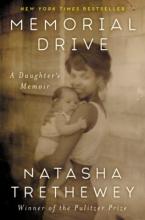
A chillingly personal and exquisitely wrought memoir of a daughter reckoning with the brutal murder of her mother at the hands of her former stepfather, and the moving, intimate story of a poet coming into her own in the wake of a tragedy.
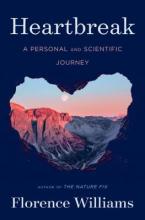
Florence Williams explores the fascinating, cutting-edge science of heartbreak while seeking creative ways to mend her own. When her twenty-five-year marriage unexpectedly falls apart, journalist Florence Williams expects the loss to hurt. What she doesn't expect is that she'll end up in the hospital, examining close-up the way our cells listen to loneliness. She travels to the frontiers of the science of "social pain" to learn why heartbreak hurts so much and why so much of the conventional wisdom about it is wrong. Searching for insight as well as personal strategies to game her way back to health, Williams tests her blood for genetic markers of grief, undergoes electrical shocks in a laboratory while looking at pictures of her ex, and ventures to the wilderness in search of awe as an antidote to loneliness. For readers of Wild and Lab Girl, Heartbreak is a remarkable merging of science and self-discovery that will change the way we think about loneliness, health, and what it means to fall in and out of love.
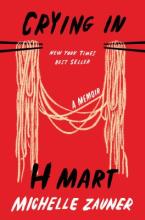
From the indie rockstar of Japanese Breakfast fame, and author of the viral 2018 New Yorker essay that shares the title of this book, an unflinching, powerful memoir about growing up Korean-American, losing her mother, and forging her own identity. In this exquisite story of family, food, grief, and endurance, Michelle Zauner proves herself far more than a dazzling singer, songwriter, and guitarist. With humor and heart, she tells of growing up the only Asian-American kid at her school in Eugene, Oregon; of struggling with her mother's particular, high expectations of her; of a painful adolescence (; of treasured months spent in her grandmother's tiny apartment in Seoul, where she and her mother would bond, late at night, over heaping plates of food. As she grew up, moving to the east coast for college, finding work in the restaurant industry, performing gigs with her fledgling band--and meeting the man who would become her husband--her Koreanness began to feel ever more distant, even as she found the life she wanted to live. It was her mother's diagnosis of terminal pancreatic cancer, when Michelle was twenty-five, that forced a reckoning with her identity and brought her to reclaim the gifts of taste, language, and history her mother had given her. Vivacious and plainspoken, lyrical and honest, Michelle Zauner's voice is as radiantly alive on the page as it is onstage. Rich with intimate anecdotes that will resonate widely, and complete with family photos, Crying in H Mart is a book to cherish, share, and reread.
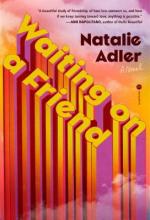
East Village, summer of 1984. Renata is a young dyke-about-town who happens to have the ability to see ghosts, which has been happening more and more frequently as her friends have started dying of what has recently been named AIDS. So, when her best friend Mark dies, she assumes she'll see him again. There's no way Mark wouldn't give her a chance to say goodbye, would he? But to her disappointment - and increasingly, her concern - Mark doesn't appear.
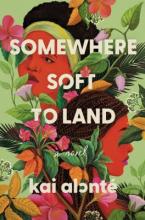
In this crackling portrayal of friendship in peril, a young woman's world is upended when a tragedy in her best friend's life tests the boundaries of their sisterhood: a sharp and compelling debut novel from a Ghanaian-American writer. Dzifa has always felt a bit off. Maybe it's the family baggage, or maybe it's just how she's wired. Depleted by cycles of burnout, she lives her life in a perpetual state of bracing: for another lost job, another lost home, another piece of evidence she isn't doing being right. If it weren't for the encouragement: and occasional overstepping: of her magnetic best friend, Tatiana, Dzifa doesn't know if she'd have made it as far as she has. Despite their differences, the two women share a desire to be their authentic selves, and to shed the grip of the respectability politics they've been taught should govern their lives. Just as each begins to find her way, the sudden passing of Tatiana's child upends everything. Dzifa rushes to Tatiana's hometown to help her friend prepare for the funeral. But when she arrives, Dzifa is immersed in an unsettling conflict between two diametrically opposed families, one of whom seems intent on seeding doubt about Tatiana's capacity as a mother. When Tatiana asks her for the ultimate favor, Dzifa must choose between loyalty at the expense of her own well-being and authenticity at the expense of her most valued friendship. A riveting exploration of sisterhood, what it means to mother and be mothered, and what it means to be well, Somewhere Soft to Land reckons with the sometimes funny, sometimes fraught, friendship between women with divergent ideologies, aspirations, personalities, and paths.
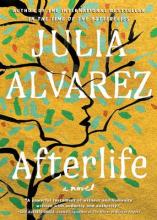
A literature professor tries to rediscover who she is after the sudden death of her husband, even as a series of family and political jolts force her to ask what we owe those in crisis in our families, biological or otherwise.
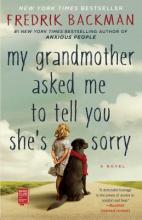
From the author of the internationally bestselling A Man Called Ove, a charming, warmhearted novel about a young girl whose grandmother dies and leaves behind a series of letters, sending her on a journey that brings to life the world of her grandmother's fairy tales.
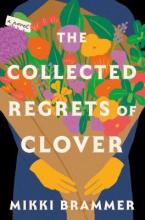
Mikki Brammer's The Collected Regrets of Clover is a big-hearted and life-affirming debut about a death doula who, in caring for others at the end of their life, has forgotten how to live her own. What's the point of giving someone a beautiful death if you can't give yourself a beautiful life? From the day she watched her kindergarten teacher drop dead during a dramatic telling of Peter Rabbit, Clover Brooks has felt a stronger connection with the dying than she has with the living. After the beloved grandfather who raised her dies alone while she is traveling, Clover becomes a death doula in New York City, dedicating her life to ushering people peacefully through their end-of-life process. Clover spends so much time with the dying that she has no life of her own, until the final wishes of a feisty old woman send Clover on a trip across the country to uncover a forgotten love story--and perhaps, her own happy ending. As she finds herself struggling to navigate the uncharted roads of romance and friendship, Clover is forced to examine what she really wants, and whether she'll have the courage to go after it. Probing, clever, and hopeful, The Collected Regrets of Clover turns the normally taboo subject of death into a reason to celebrate life.
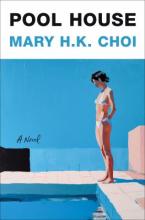
Stevie Moon cannot escape her mother. Abandoning college plans to work a dead-end job, her days are a purgatorial bore. Many dream of moving to L.A. and into the spotlight, but Stevie can’t wait to move away from it, and her mother’s orbit, to start over.
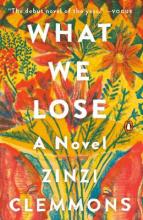
From a debut author of rare, haunting power, a stunning novel about a young African-American woman coming of age--a deeply felt meditation on race, sex, family, and country. Raised in Pennsylvania, Zinzi Clemmons's heroine Thandi views the world of her mother's childhood in Johannesburg as both impossibly distant and ever present. She is an outsider wherever she goes, caught between being black and white, American and not. She tries to connect these dislocated pieces of her life, and as her mother succumbs to cancer, Thandi searches for an anchor - someone, or something, to love. In arresting and unsettling prose, we watch Thandi's life unfold, from losing her mother and learning to live without the person who has most profoundly shaped her existence, to her own encounters with romance and unexpected motherhood. Through exquisite and emotional vignettes, Clemmons creates a stunning portrayal of what it means to choose to live, after loss. An elegiac distillation, at once intellectual and visceral, of a young woman's understanding of absence and identity that spans continents and decades, What We Lose heralds the arrival of a virtuosic new voice in fiction.
It's 1963, two years since Barbara Feldman's husband died. Raising two kids, she's finally emerging from her cocoon of grief. Not yet a butterfly, but she's anxious to spread her wings. Then one day her mother-in-law, Ruth, shows up on her doorstep with five suitcases, expecting a room of her own with a suitable mattress. Abrasive and stuck in her ways yet well meaning, Mother Ruth arrives without warning to help with the children. How can Barbara say no to a woman who is not only a widow herself but also a grieving mother? As Ruth's prickly visit turns from days to weeks to what seems like forever, Barbara realizes Ruth has got to go. But Barbara has an ingenious plan: introduce Ruth to some fine gentlemen and marry her off as fast as she can. Soon enough, something tells Barbara that Ruth is trying to do the same for her. At least they're finding common ground--helping each other to move forward. Even if it is in the most unpredictable ways two totally different women ever imagined.
In this literary masterwork, Louise Erdrich, the bestselling author of the National Book Award-winning The Round House and the Pulitzer Prize nominee The Plague of Doves wields her breathtaking narrative magic in an emotionally haunting contemporary tale of a tragic accident, a demand for justice, and a profound act of atonement with ancient roots in Native American culture.
When Dad Lewis is diagnosed with terminal cancer, he and his wife must work together, along with their daughter, to make his final days as comfortable as possible, despite the bitter absence of their estranged son. Next door, a young girl moves in with her grandmother and contends with the memories that Dad’s condition stirs up of her own mother’s death. A newly arrived preacher attempts to mend his strained relationships with his wife and son, and soon faces the disdain of his congregation when he offers more than they are used to getting on Sunday mornings. And throughout, an elderly widow and her middle-aged daughter do all they can to ease the pain of their friends and neighbors.
The affluent Al-Menshawy family find their American dream shattered when a devastating turn of events leaves their eldest son and their neighbor's daughter dead, and, becoming pariahs in their upscale New Jersey community, they struggle to keep their family together.
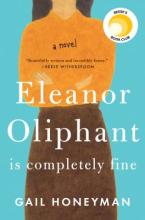
Meet Eleanor Oliphant: she struggles with appropriate social skills and tends to say exactly what she's thinking. That, combined with her unusual appearance (scarred cheek, tendency to wear the same clothes year in, year out), means that Eleanor has become a creature of habit (to say the least) and a bit of a loner ... But everything changes when Eleanor meets Raymond, the bumbling and deeply unhygienic IT guy from her office.
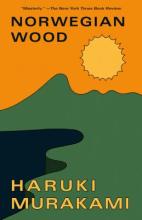
Toru, a quiet and preternaturally serious young college student in Tokyo, is devoted to Naoko, a beautiful and introspective young woman, but their mutual passion is marked by the tragic death of their best friend years before. Toru begins to adapt to campus life and the loneliness and isolation he faces there, but Naoko finds the pressures and responsibilities of life unbearable. As she retreats further into her own world, Toru finds himself reaching out to others and drawn to a fiercely independent and sexually liberated young woman.
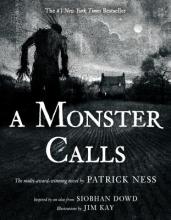
Thirteen-year-old Conor awakens one night to find a monster outside his bedroom window, but not the one from the recurring nightmare that began when his mother became ill--an ancient, wild creature that wants him to face truth and loss.
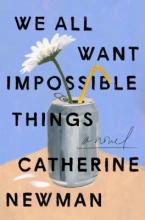
Edith and Ashley have been best friends for over forty-two years. They've shared the mundane and the momentous together: trick or treating and binge drinking; Gilligan's Island reruns and REM concerts; hickeys and heartbreak; surprise Scottish wakes; marriages, infertility, and children. As Ash says, 'Edi's memory is like the back-up hard drive for mine.' But now the unthinkable has happened. Edi is dying of ovarian cancer and spending her last days at a hospice near Ash, who stumbles into heartbreak surrounded by her daughters, ex(ish) husband, dear friends, a poorly chosen lover (or two), and a rotating cast of beautifully, fleetingly human hospice characters. As The Fiddler on the Roof soundtrack blasts all day long from the room next door, Edi and Ash reminisce, hold on, and try to let go. Meanwhile, Ash struggles with being an imperfect friend, wife, and parent--with life, in other words, distilled to its heartbreaking, joyful, and comedic essence.
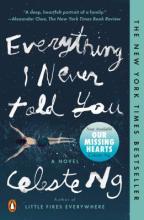
Lydia is dead. But they don't know this yet. So begins the story of this exquisite debut novel, about a Chinese American family living in 1970s small-town Ohio. Lydia is the favorite child of Marilyn and James Lee; their middle daughter, a girl who inherited her mother's bright blue eyes and her father's jet-black hair. Her parents are determined that Lydia will fulfill the dreams they were unable to pursue-in Marilyn's case that her daughter become a doctor rather than a homemaker, in James's case that Lydia be popular at school, a girl with a busy social life and the center of every party. When Lydia's body is found in the local lake, the delicate balancing act that has been keeping the Lee family together tumbles into chaos, forcing them to confront the long-kept secrets that have been slowly pulling them apart. James, consumed by guilt, sets out on a reckless path that may destroy his marriage. Marilyn, devastated and vengeful, is determined to find a responsible party, no matter what the cost. Lydia's older brother, Nathan, is certain that the neighborhood bad boy Jack is somehow involved. But it's the youngest of the family-Hannah-who observes far more than anyone realizes and who may be the only one who knows the truth about what happened. A profoundly moving story of family, history, and the meaning of home, Everything I Never Told You is both a gripping page-turner and a sensitive family portrait, exploring the divisions between cultures and the rifts within a family, and uncovering the ways in which mothers and daughters, fathers and sons, and husbands and wives struggle, all their lives, to understand one another.
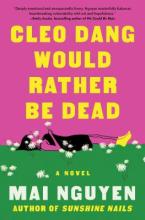
All Cleo Dang has ever wanted was to be a mother. The day she discovers she's pregnant is the happiest of her life, especially when she learns that her best friend, Paloma, is also expecting. It's a wonderful surprise and together, they enjoy their pregnancies. But when they both go to the hospital in labor, something goes very, very wrong. Paloma comes home with a baby. Cleo does not. Now a grieving Cleo must navigate life after losing her baby. She alienates herself from the world, especially her best friend who is living the life she so desperately wanted. Forced to quit her demanding job as an actuary, Cleo manages to find a job at a funeral home where she meets a revolving door of bereaved locals and discovers the power of confronting grief.
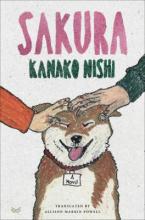
Growing up, the Hasegawas were the perfect family. Kaoru's loving parents doted on their children. Kaoru's baby sister, Miki, was cute and charismatic, and his older brother, Hajime--a natural leader, athlete, and charmer--was the superstar. The middle child, Kaoru was good at school, but not a star student, friendly with girls but never popular. He was content to exist in Hajime's shadow, and occasionally bask in his light. Then Hajime was involved in a tragic accident that fractured the Hasegawas, with nothing to keep them together but memories and melancholy. Returning home, Kaoru and his family must find the strength to reckon with the past and pick up the pieces of their shattered lives. Luckily, there is Sakura, who somehow has managed to stay happy. What's her secret? As the Hasegawas learn to let go, it is Sakura who holds the key to help them move forward.
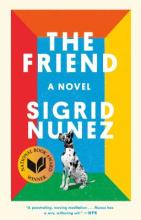
When a woman unexpectedly loses her lifelong best friend and mentor, she finds herself burdened with the unwanted dog he has left behind. Her own battle against grief is intensified by the mute suffering of the dog, a huge Great Dane traumatized by the inexplicable disappearance of its master ... the woman refuses to be separated from the dog except for brief periods of time. Isolated from the rest of the world, increasingly obsessed with the dog's care, determined to read its mind and fathom its heart, she comes dangerously close to unraveling. But while troubles abound, rich and surprising rewards lie in store for both of them.
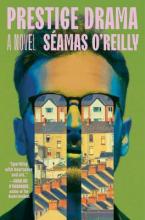
A dazzling novel about a community where an upcoming film production brings their past into sharp focus--and nobody's version is the same. In Derry, the locals are already in a twist about the arrival of Hollywood actress Monica Logue to research her role for a show about the Troubles--and then she goes missing. Everyone has a story to tell--about Monica's possible whereabouts, and about the historic events that brought her here in the first place: the show's screenwriter, desperate for this last shot at success; the grieving mother whose story he's adapting; the ex-IRA member who knows the price of survival; the local psychic who's seen too much ... Prestige Drama brings to life a chorus of characters as they locate themselves in Monica's disappearance, and in the truth about their own history. From the author of the acclaimed memoir Did Ye Hear Mammy Died?, Prestige Drama is heartbreaking, hilarious, and profound, an indelible portrait of a community both obsessed with its past, and desperate to forget it.
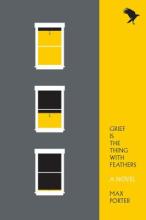
In a London flat, two young boys face the unbearable sadness of their mother's sudden death. Their father, a Ted Hughes scholar and scruffy romantic, imagines a future of well-meaning visitors and emptiness. In this moment of despair they are visited by Crow-- antagonist, trickster, healer, babysitter. This sentimental bird is drawn to the grieving family and threatens to stay until they no longer need him. As weeks turn to months and the pain of loss gives way to memories, the little unit of three starts to heal. In this extraordinary debut-- part novella, part polyphonic fable, part essay on grief-- Max Porter's compassion and bravura style combine to dazzling effect. Full of unexpected humour and profound emotional truth, 'Grief Is the Thing with Feathers' marks the arrival of a thrilling new talent.-- Source other than the Library of Congress.
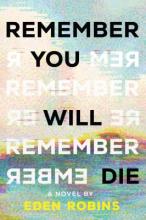
From the author of When Franny Stands Up comes a genre-bending story told in linked obituaries and newsfeeds over three hundred years about one AI woman grappling with her grief after the mysterious death of her human daughter, and wondering what it really means to be human. What will it take for the death of Poppy Fletcher to make sense? Poppy Fletcher dies too young, and the entire world is eager to accept it and move on. Except for her mother, who is no ordinary mother. She is Peregrine, an AI woman walking the earth, a fugitive loathed and misunderstood by the very people who aided in and benefitted from her creation. As more details emerge about Poppy's death, the facts add up less and less. The story of Poppy and Peregrine spans several centuries of obituaries, and reveals a planet slowly dying, a world increasingly disconnected, and the consequences of ego and greed. The lives, deaths, and grief of others throughout history uncover not only what happened to Poppy, but a tale of art and love, betrayal and redemption - and ultimately, what it means to be alive.
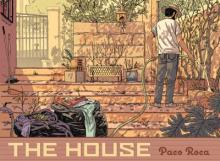
In Paco Roca's intimate and international award-winning graphic novel, The House, three adult siblings return to their family's quaint vacation home a year after their father's death with the intention to clean up the residence and put it on the market. But as garbage is hauled off and dust is wiped away, decades-old resentments quickly fill the vacant home. Through flashbacks into each sibling's memories -- the fig trees they grew up climbing, the pergola they never got around to building, the final visits to the hospital -- Roca gives us a glimpse into domestic moments of joy, guilt, and disappointment while asking what happens to brothers and sisters when the only person holding the family together is now gone. At once deeply personal (dedicated to Roca's own deceased father) and entirely universal, The House details the struggle to overcome the past, while still holding onto the memories.
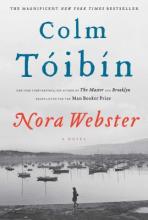
Widowed at forty, with four children and not enough money, Nora has lost the love of her life, Maurice, the man who rescued her from the stifling world to which she was born. And now she fears she may be drawn back into it. Wounded, strong-willed, clinging to secrecy in a tiny community where everyone knows your business, Nora is drowning in her own sorrow and blind to the suffering of her young sons, who have lost their father. Yet she has moments of stunning empathy and kindness, and when she begins to sing again, after decades, she finds solace, engagement, a haven-- herself.
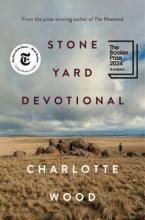
Burnt out and in need of retreat, a middle-aged woman leaves Sydney to return to the place she grew up, taking refuge in a small religious community hidden away on the stark plains of rural Australia. She doesn't believe in God, or know what prayer is, and finds herself living this strange, reclusive existence almost by accident. But disquiet interrupts this secluded life with three visitations. First comes a terrible mouse plague, each day signaling a new battle against the rising infestation. Second is the return of the skeletal remains of a sister who disappeared decades before, presumed murdered. And finally, a troubling visitor plunges the narrator further back into her past.
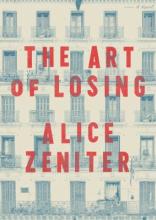
A gripping, multigenerational tale of a French Algerian woman, her family's past, and the legacies of colonialism.
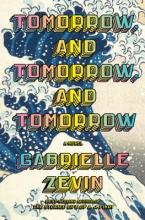
A modern love story about two childhood friends, Sam, raised by an actress mother in LA's Koreatown, and Sadie, from the wealthy Jewish enclave of Beverly Hills, who reunite as adults to create video games, finding an intimacy in digital worlds that eludes them in their real lives, from the New York Times best-selling author of The Storied Life of A.J. Fikry.